 The Olive Grove Project
Tunisia Just Became the World's Second-Largest Olive Oil Producer. Its Next Grove Is Where You Come In.
By Anis Touati · October 5, 2026 · 5 min read
Here are the numbers, straight up: in the 2025/26 season Tunisia harvested a record 450,000–500,000 tonnes of olive oil (the International Olive Council reports ~500,000; USDA estimates 470,000), overtaking Turkey, Italy and Greece to become the world's second-largest producer, behind only Spain. It's the biggest season in the country's history — and the quiet problem underneath the headline is that the trees themselves are getting old.
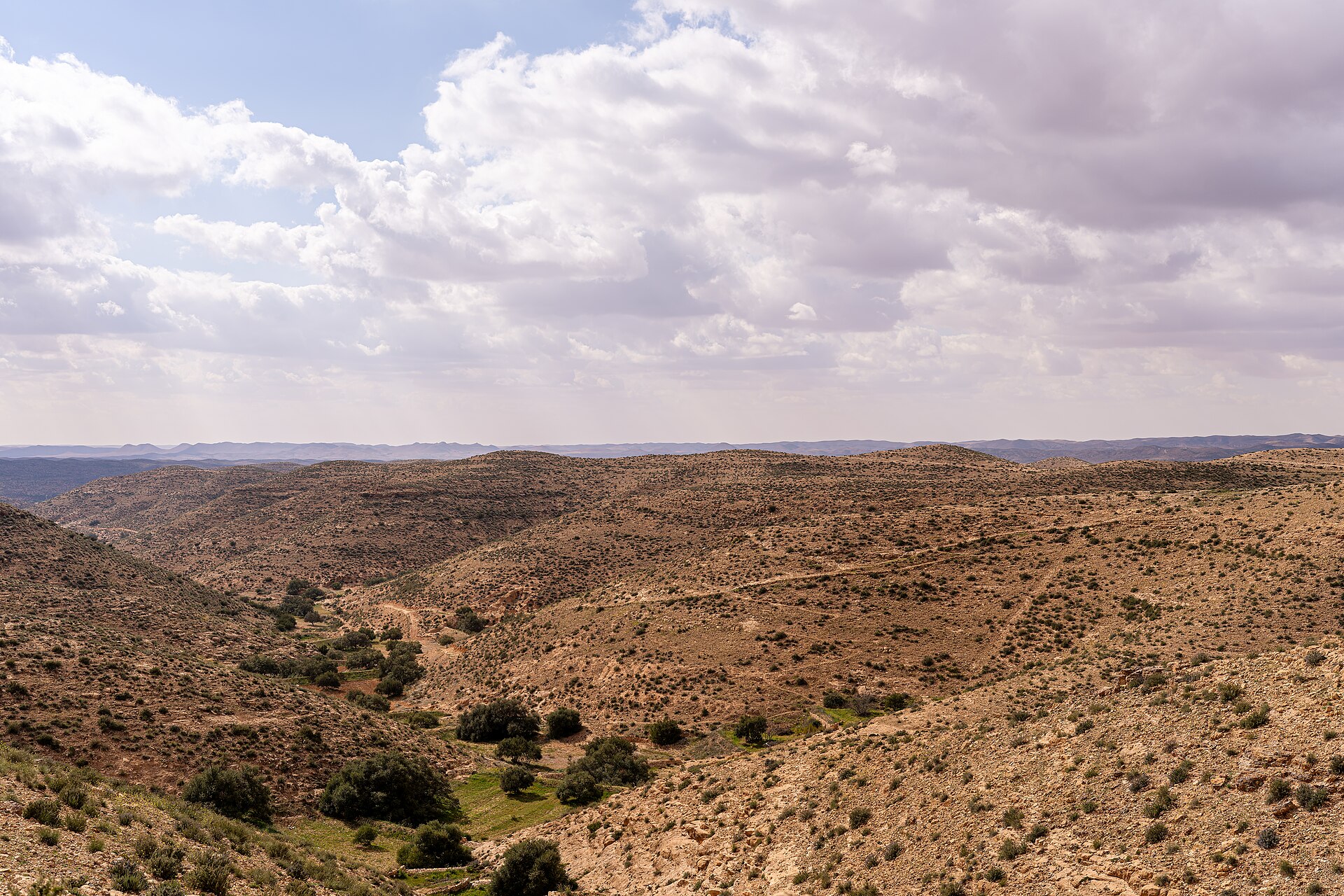

What the record season actually says
Tunisia's crop jumped about 38% year-on-year — from roughly 340,000 tonnes in 2024/25 to 470,000 by USDA's count — while Turkey's nearly halved, reshuffling the world ranking almost overnight. Exports climbed in step, to around 400,000 tonnes. According to the IOC, the olive sector now accounts for more than half of Tunisia's agricultural exports, and remarkably, about 80% of national production is organic — largely because smallholders never had the money for chemicals in the first place.
| Producer (2025/26) | Output | Share of world |
|---|---|---|
| Spain | ~1,295,000 t | ~40% |
| Tunisia 🫒 | ~450,000–500,000 t (record) | ~14–15% |
| Turkey | ~210,000 t (nearly halved) | ~6% |
Sources: International Olive Council (May 2026), USDA Foreign Agricultural Service via UkrAgroConsult (September 2026). World total ≈ 3.28 million tonnes.
The catch behind the celebration
Two things temper the record. First, olive trees are alternate bearers — a bumper year is often followed by a lean one, so single-season rankings flatter. Second, and more important: much of Tunisia's grove is aging. Many productive trees today were planted by grandparents. Replacing them is a 10-to-15-year bet: a seedling yields its first real harvest after roughly 5–7 years (full production takes longer), and nobody pays a farmer's bills in year six of waiting.
That's the structural gap — and it's exactly the kind of long-horizon, low-glamour investment that markets skip and communities have to fund themselves. One tree at a time is slow. It's also the only speed that has ever worked for olives.
Why we're telling you this
This project exists to close that gap a few trees at a time: $10 plants one seedling in a first cooperative grove — land, drip irrigation, organic farming practices, and training days for the local community. The difference from every donation page you've ever closed in a tab: our funding total is read live from the public blockchain, not typed by us. Every contribution is a permanent, verifiable receipt anyone can audit — the grove wall shows them all, and the transparency page explains how to check us without trusting us.
What one tree actually does
Beyond the economics, the olive tree is a quietly extraordinary plant: drought-resistant, soil-holding, carbon-sequestering, and famous for outliving its planters by centuries. In a country where water is the binding constraint of the century, planting the tree that asks for the least of it is close to a strategic act. The trees you fund in 2026 will still be feeding someone in 2126. Very few donations come with a century-scale return.
Frequently asked questions
Is Tunisia really the world's second-largest olive oil producer?
Yes — for the 2025/26 season, per the International Olive Council: a record ~500,000 tonnes, behind only Spain and ahead of Turkey, Italy and Greece. USDA's estimate is 470,000 tonnes.
How much olive oil does Tunisia produce per year?
It swings with the trees' natural alternate-bearing cycle and rainfall: ~340,000 t in 2024/25, then a record 450,000–500,000 t in 2025/26 depending on the source.
Why does the ranking matter to small farmers?
The record boosted exports, but the national grove is aging and replanting is a 10–15 year investment smallholders can rarely fund alone. That's the gap tree adoption exists to fill.
How can I help plant olive trees in Tunisia?
$10 funds one seedling in the first cooperative grove — donated in USDT (TRC-20), with every transfer publicly verifiable on-chain.
The record season was the trees' doing — they've carried the country for centuries. The next generation is ours to plant. 🫒